10% OFF
Complimentary engraving available · Free expert gifting advice · Support 9am-9pm IST
PENS
SKU: 80412571 · In Stock
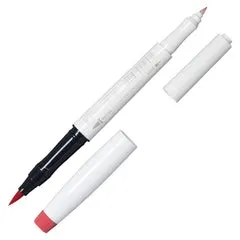
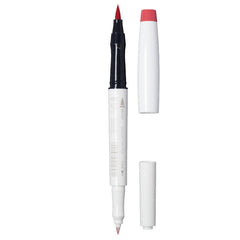
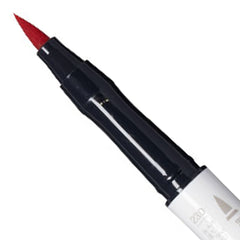
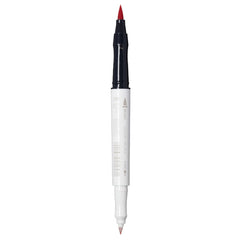
Ignite your creative work with vibrant warmth and expressive clarity using the Sailor Studio 230 Red Ink Marker (26?5210?230). This dual?tip marker is crafted to bring the rich, dynamic character of Sailor’s 230 red ink into a convenient, ready?to?use format. Whether you’re working on illustrations, hand lettering, journaling, or decorative accents, this marker allows you to wield bold strokes and fine details in one instrument — no bottles, converters, or refill juggling required.
Balanced between boldness and subtlety, the 230 marker projects a confident red presence while retaining the nuance and depth that makes Sailor’s ink line beloved by color enthusiasts.
Classic Scarlet / Coral Red Core
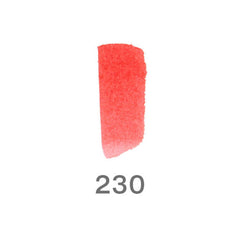
The original Sailor Ink Studio 230 is described as a vivid red — a tone that leans slightly toward coral or warm red rather than overly pink or purely crimson.
In practice, this red reveals undertones of orange when pooled or layered, giving it a lively, dynamic edge rather than flat saturation.
Shading, Undertones & Depth
While 230 is not typically a high?chromatic shade, it offers subtle variation across light and heavier strokes — lighter areas may appear more coral or pinkish, while saturated areas deepen to robust red.
In some reviews, the ink is praised for resisting bleedthrough even when layered heavily, suggesting stable behavior under intense use.
Clean Finish (No Sheen / No Glitter)
The bottled 230 ink is marketed as having no shimmer or metallic sheen—its appeal lies in clean, saturated color rather than flashy highlights.
Drying & Behavior
In fountain pen form, the 230 ink is noted as not fast drying, meaning there’s a reasonable window to adjust or layer before it fully sets.
The color also resists bleedthrough and shows stable flow across many nib types.
Based on Sailor’s marker / dual-tip product design patterns (from analogous sets) and the traits of 230 ink, here’s what the 230 marker version is likely to feature:
Dual?Tip Design
One end will house a brush tip (ideal for broad strokes, fills, shading, expressive calligraphy) and the other a fine tip (for lines, text, outlines, detail work).
Water?Based Dye Ink
The marker’s internal ink is likely a reformulated version of the 230 formula, designed to be safe and reliable for marker feed systems while preserving the core color and behavior.
Plastic Barrel with Color Coding
Expect a plastic barrel (often in white or neutral styling) with caps or accents matching the red hue for visual identification. The brush?end cap may be more prominent, with color cues to differentiate from the fine end.
Ink Flow & Response
Smooth and consistent flow across both tips
Good responsiveness to pressure / stroke variation (lighter strokes show softer red, heavier strokes fuller saturation)
Ability to layer without color breakdown or excessive muddiness
Dry Time & Stability
The marker version will likely share the “not fast drying” trait in denser strokes, making it suitable for blending or adjustment in creative work, though care will be needed to avoid smudging.
On quality paper, feathering and bleed should remain minimal; on porous or lower?quality surfaces, edges may soften or spread.
Color Behavior in Use
You may see some subtle undertone shifts in transitions — e.g., coral or orange hints in lighter areas, deeper red in saturated zones.
The clean finish (no sheen) will help maintain clarity in text or line work, especially when layering.
Choose the Right Paper
To preserve edge sharpness and let the red saturations stay crisp, use smooth, bleed-resistant, marker or mixed-media grade paper.
Layer Strategically
Work from light to dark: start with thinner washes or lighter coverage, let them settle somewhat, then build deeper zones. This can enhance the shading and tonal nuance of the color.
Mind the Dry Window
In dense fills or overlapping strokes, give the ink slight time to “grab” before placing adjacent strokes, to avoid accidental smudging.
Use Edge Effects to Your Advantage
The red tone can be elegant when allowed slight diffusion at the borders; use lighter pressure or feathered edges to tap into that possibility.
Cap & Store Properly
Always keep both ends capped when not in use. If a tip feels slightly dry after storage, gently scribble on scrap to revive full flow.
Combine with Bottled Ink Work
If you also use the bottled Sailor Ink Studio 230, this marker version should be visually consistent. Use the marker for accents, adornments, or portable work, and reserve the bottle for deeper, broad fills.
The underlying Sailor Ink Studio 230 (bottled) ink is described in multiple sources:
• It’s a water?based dye ink (non?pigmented, fountain?pen safe).
• The 230 ink is said to lean toward orange / coral undertones, given its place in the “Oranges and Pinks” swatch tests.
• In the Ink Studio Set #1 review, 230’s undertones are contrasted to others: it is compared with 130 which also has orange / coral undertone.
Since I could not locate a full technical spec sheet for the marker version, here are probable attributes based on what is typical in Sailor’s Studio / dual?tip marker line and the behavior of 230 ink:
| Feature | Likely / Expected Detail |
|---|---|
| Ink Type | Water?based dye ink (adapted version of 230, safe for marker tip flow) |
| Tip Configuration | Dual tips: brush tip for expressive / broad strokes, fine tip for detail / outlines |
| Body & Design | Plastic barrel, with caps or accents themed to the red / coral tone for easy identification |
| Color / Hue Behavior | The core color likely shows red with coral / warm undertones. In lighter strokes or diffusion, edges may show orange / yellow fringe (as seen in swatch tests of 230) |
| Shading / Variation | Expect some shading — variation from lighter washes to richer areas, though not extreme contrast |
| Dry Time | Moderate; in fountain-pen form 230 takes 20–50 seconds in many cases (Set #1 source) |
| Feathering / Bleeding | On quality, low-absorbency paper: minimal feathering or bleed. But on porous or cheap paper, soft edges or minor bleed may occur |
| Show-Through / Bleed-Through | Moderate, depending on paper thickness |
| Use Cases | Ideal for illustration, journaling, calligraphy accents, mixed-media work where a warm red / coral tone is desired |
| Care & Handling | Cap both ends when not in use to avoid drying. If tips seem dry, gently prime on scrap. Use on paper suitable for marker or ink to maintain crispness |
0 Reviews for Sailor Studio 230 Red Ink Marker 26-5210-230